

Kuwaa Mission September–October Prayer Letter “Go therefore and make disciples of all nations.” — Matthew 28:19 Dear Friends in Christ, Grace and peace to you. This season, we thank God for the evangelists of the Kuwaa region—men and women who have surrendered their lives to the Lord and answered God’s call to make disciples among their own people.
Three New Evangelists Begin Training 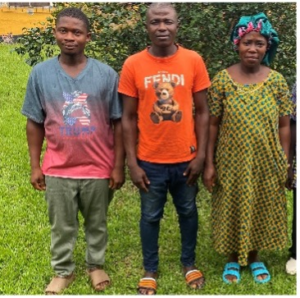 A month ago, the Lewis T. Bowers Lay Leaders and Ministers Training Center (LTB-LLMTC) in Totota received three new evangelists from the Kuwaa region to be equipped for spreading the Gospel among their people: Evangelist Tetama Quayquay of Baloma, Evangelist Rufus Wanley of Toikei, and Evangelist James Yarsiah of Maovordor A
Mission of Accompaniment Friends who have followed the Kuwaa Mission over the years know that, as part of its commitment to accompanying the Kuwaa people on their spiritual journey, the Mission sponsors an average of three evangelists from the Belle District every two years. Since the program began in 2010, fifteen evangelists have been trained through this partnership — and with this latest group, the Kuwaa people will have received eighteen trained men and women to spread the Gospel.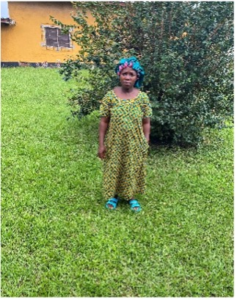
The program’s reach continues to grow. Nine of the sixteen Kuwaa towns now have at least one Mission-trained evangelist, and when Evangelist Tetama Quayquay — the very first candidate from Baloma — completes her training in 2028, that number will rise to ten of sixteen towns.
An Urgent Need: Six Towns Still Waiting Six towns remain without a candidate: Gatema, Gbiyankei, Guworma, Kpawolozu (Doi), Lowoma, and Sasasu. Three of the six are Muslim-majority communities. As we pray for the Lord to raise up candidates to spread the Gospel, we also pray for a breakthrough for the Gospel message, especially in these three towns.
Why This Training Matters 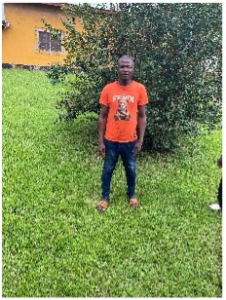 Even before training, these evangelists carry heavy responsibilities: they preach the Good News, represent the Church, and maintain a Lutheran church presence in the towns where they serve. As Lutheran leaders in their communities and churches, they require real knowledge of Lutheran theology and a sound understanding of the Gospel to better serve their people. This is precisely what LTB provides, preparing each evangelist for the task God has called them to.
A Record Worth Celebrating The results speak for themselves: over 90% of the evangelists trained at LTB have returned home to serve a congregation in their hometown. The one exception is a young woman, Sarah Jorgbor, who was recommended for further education because of her age and remarkable potential. We believe it is only a matter of time before she, too, returns home to serve her people.
How You Can Pray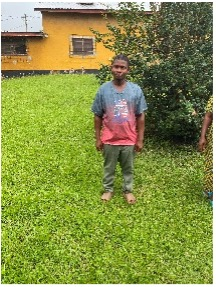
- For Evangelists Tetama, Rufus, and James as they settle into training at LTB-LLMTC
- For God to raise up candidates from the six towns still waiting — Gatema, Gbiyankei, Guworma, Kpawolozu, Lowoma, and Sasasu
- For a breakthrough for the Gospel in the Muslim-majority communities of the region
- For Sarah Jorgbor, that her studies would prepare her for service among the Kuwaa people
- For the teachers and staff of LTB, who serve as God’s agents in sharing their knowledge.
Prayer God, we thank You for the many gifts You have given us in these evangelists who have accepted Your call to go and make disciples. Keep them focused on the mission; grant them health and give them passion for the work You have assigned them. We also thank You for the men and women who serve as Your agents to make this training possible. Grant them health and make them zealous for the mission to which You have called us, in Jesus’ name. Amen!
Your contributions to the Kuwaa Mission are tax-deductible. We are a 501c3 non-profit organization. Our tax ID number is 27-5458111. Donations can be given in two ways: A Check to the mission address or PayPal on our Website.
Donate
www.kuwaamission.org Facebook: Kuwaa-Mission
Please subscribe to our mailing list if you want to receive our update letters.
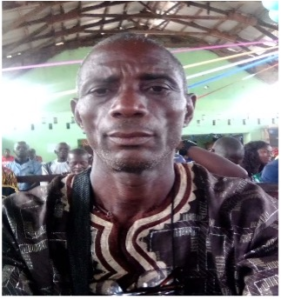 My community and I greatly appreciate the clean water made possible by the wells you dug and fitted in our towns, the support provided through the clinic and medicines, the training opportunities offered to our girls, and the many other activities that help improve our people’s lives. I especially want to thank you for introducing the Kuwaa literacy program. The reports we hear and read about the condition of African languages are concerning. Many African languages are disappearing because they have too few remaining speakers. In some cases, no living speakers remain. Even more troubling is that many of these languages were never properly documented or preserved.
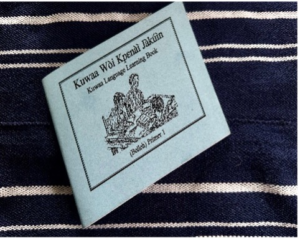 Although we often hear of this happening in distant countries, we understand that the same danger faces the Kuwaa language. We recognize that our own experiences reflect many of the conditions that have caused other languages to decline or disappear. Because there are limited opportunities in our region, many Kuwaa people must leave their homes and travel hundreds of miles to larger towns and cities in search of work, education, and a better future. As we travel, we often begin using English, the official language, more frequently, along with other languages spoken where we live and work.
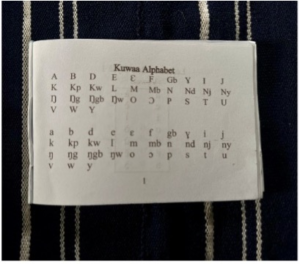 Kuwaa people are often known for speaking several languages. Others consider us intelligent because we can learn and speak those languages fluently, often sounding like native speakers. We are proud of this ability. However, this strength can also place our own language at risk. Because we no longer speak Kuwaa regularly at home, we are failing to teach it to our children. As a result, each generation has fewer people who can speak and understand Kuwaa.
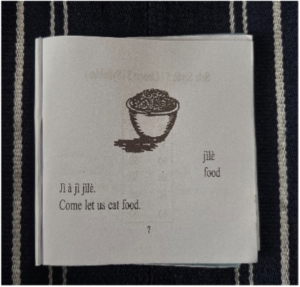 We understand the effect this neglect is having on our mother tongue. This is why there is such strong interest in the literacy program. Our students, teachers, and district leaders welcome this initiative because we recognize its importance and the benefits it can bring to our people. Thank you, Kuwaa Mission, for helping us preserve our language, strengthen our identity, and invest in the future of the Kuwaa people.


